





Long-Term Disability and Quality-of-Life Concerns After Birth Injuries
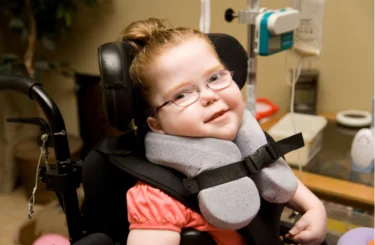
After the initial trauma of a birth injury, families can face many long-term hurdles. It may take years for your baby to recover. They may have permanent physical, mental, or developmental disabilities. In addition to adapting to new medical needs, you may be overwhelmed by concerns about your child’s future. It may feel like you encounter a new obstacle at every turn.
An experienced birth injury attorney can help you understand and address common long-term concerns, including practical options for care and education, and find resources to manage other challenges. They can also help you pursue a Michigan medical malpractice claim to recover compensation for your child’s long-term needs.
Birth Injuries and Long-Term Needs
There are many types of birth injuries, including hypoxic-ischemic encephalopathy, intracranial hemorrhage, nerve injuries, and other traumas. If these injuries are severe, your child may have long-term physical, cognitive, and developmental disabilities.
The financial costs of these long-term needs can quickly add up. Your child may require ongoing medical care and therapies, specialized education, and educational support. Additional resources that can dramatically improve their quality of life, like mobility devices, home modifications, and caregiving assistance, are often not reimbursed by insurance.
These needs affect the entire family, straining its finances and threatening the well-being of every member. One or both parents may need to give up their career to become a full-time caregiver. Accommodating a child’s changing needs can disrupt a family’s routine, affecting siblings and straining family relationships.
Addressing Special Educational Needs
Children with birth-related disabilities may need special education services. These may include:
- Individualized education programs (IEP). The federal Individuals with Disabilities Education Act (IDEA) entitles children with special needs to access specialized instruction, aides, related services (such as speech therapy, occupational therapy, and physical therapy), and assistive tech in the classroom.
- Transition planning to adult services. Usually starting in middle or high school, transition planning can help your child prepare for work, supported living, or vocational training.
- Private schooling or specialized therapies. Public schools may not be able to provide the services and specialized care your child needs. When they fall short, you may need to explore private educational and therapy services. Unfortunately, these can be very expensive.
Parents should keep careful records of their child’s medical and developmental evaluations, therapy reports, IEPs, and communications with administrative personnel and teachers. These documents will help you access appropriate services for your child and demonstrate the scope and cost of their future educational needs.
Tertiary Care and Ongoing Medical Management
Some children may require ongoing specialty care (such as neurology, physiatry, pulmonology, or gastroenterology treatment), repeated hospitalizations, surgeries, seizure management, feeding tube care, respiratory support, or complex medication regimens. Long-term medical coordination may involve traveling to an advanced medical center or multidisciplinary clinic, which can result in costly copays, travel expenses, and lost income.
Parents should build a care binder to organize their child’s medical records, including diagnoses, medication lists, emergency plans, durable medical equipment (DME) orders, and contact info for specialists. This reduces stress when emergencies occur and documents a child’s care needs. Having a comprehensive and easy-to-access compilation of these documents can also be helpful for insurance disputes and legal claims.
Assistive Technology and Home Adaptations
Many types of assistive technology may help your child manage physical challenges. These include wheelchairs and seating systems, augmentative and alternative communication (AAC) devices, powered mobility devices, and adaptive equipment. Home modifications, such as ramps, widened doorways, and accessible bathroom and bedroom setups, can dramatically improve the quality of your child’s life.
Unfortunately, assistive technology and accessible modifications can be very expensive. Many families struggle with insurance denials, long wait times for durable medical equipment, and substantial out-of-pocket expenses. Many resources are available to help families manage these costs, including private insurance, Medicaid waivers or programs, school district equipment resources, nonprofit grants, and community assistance programs. However, families often shoulder heavy financial burdens and may be unable to afford these life-changing measures.
Family Support and Caregiver Wellbeing
Caring for a child with special needs can be emotionally and physically exhausting. Siblings may need attention and counseling, caregivers can face burnout and financial strain, and couples often experience relationship challenges. Establishing early connections with social workers, family support groups, respite programs, and counseling services can make a significant difference.
Finding supportive peer groups can significantly improve your overall quality of life. Families with similar experiences and challenges can share practical tips, resources, and emotional solidarity. An experienced birth injury attorney can help you find community resources and birth injury family resources to support you in a wide variety of ways.
Recovering Compensation To Ensure a Secure Future
If your child’s birth injury was caused by medical negligence or mistake, you may be able to pursue a medical malpractice claim for your child. This type of lawsuit allows you to seek the compensation your child needs to cover many of the costs of managing their long-term needs, allowing you to provide the best possible quality of life.
An experienced birth injury attorney can help you calculate the full value of your child’s claim and ensure you don’t settle for less than your child deserves. A comprehensive damages package may include compensation for:
- Economic damages. This category can include past and future medical bills, therapy costs, assistive devices, home modifications, and your child’s lost future ability to earn an income. Your attorney will use medical and economic experts to show the scope and reasonableness of these damages. There is no limit to the economic damages you can recover in a Michigan medical malpractice lawsuit.
- Non-economic damages. In addition to recovering past and future expenses, you can also recover damages for your child’s past and future pain, suffering, and loss of enjoyment of life. Michigan places statutory limitations on non-economic awards in medical malpractice cases, which are adjusted annually. There is an “upper” cap for cases involving catastrophic injuries and a “lower” cap for other cases.
Economic damages for future medical costs and lifetime care plans are often a significant component of a birth injury compensation claim. Properly valuing and providing evidence of these damages to the court or jury is essential to ensure your child will have adequate financial resources throughout their life.
Pursuing a Birth Injury Medical Malpractice Claim
Michigan law limits the time you have to pursue a medical malpractice lawsuit. In general, you must file a lawsuit within two years of the negligent act that caused your injury or six months after you discovered your injury. While this “discovery rule” can extend the window, most cases have a final deadline of six years after the negligent act occurred.
However, Michigan law allows additional time for children in many malpractice claims to bring a lawsuit. For example, if a child is injured before their eighth birthday, the deadline may be extended until their tenth birthday. Specific reproductive-system injury claims can extend the age threshold even further. Because of these special rules, it’s not always easy to understand whether you’re within the time limits. It’s always best to speak to an attorney as early as possible, but don’t rule out the possibility of bringing a claim without consulting a lawyer. They can help you determine whether you may have a valid, timely claim and explore other options available in your situation. Caring for a child after a birth injury presents many challenges. An experienced birth injury attorney can help you find the resources and services you need. The right medical team, school advocates, community support, and legal counsel can help improve your child’s quality of life and your family’s long-term stability. Contact Sommers Schwartz, P.C. to arrange a free, no-obligation, confidential consultation to learn more about how our attorneys can help you.