






How Fetal Heart Monitoring Can Help Prevent Birth Injuries
Recent news articles sporting inflammatory headlines have raised questions about the value of continuous electronic fetal heart monitoring (EFM) during childbirth. This technology, which has been widely used and recommended since the 1970s, uses Doppler (ultrasound) technology to monitor the baby’s heartbeat. When used competently and correctly, this tool can help prevent injuries.
EFM isn’t a substitute for skilled, competent care and professional judgment. Labor and delivery healthcare providers must use reasonable care to protect the health and safety of their patients. A birth injury or medical malpractice lawsuit can help families pursue compensation and justice when medical negligence or mistakes result in an injury to the mother or baby.
What Is Continuous Fetal Heart Monitoring?
Before EFM was widely available, an OB-GYN or other healthcare professional would check the fetal heart rate at set times during labor using a special stethoscope or Doppler device. Periodically monitoring a baby’s heartbeat like this is called “auscultation.” According to the American College of Obstetricians and Gynecologists (ACOG), this method remains acceptable for patients with no complications or risk factors for complications during labor.
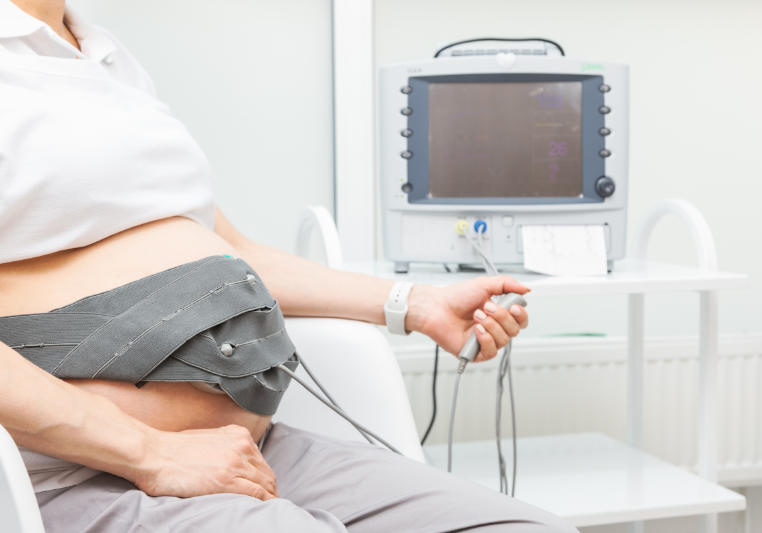
EFM utilizes specialized equipment to monitor patterns and changes in the fetal heartbeat. The most common type of EFM involves strapping a Doppler device to the outside of the patient’s abdomen. Alternatively, doctors may attach an electrode inside the uterus to the baby’s head. Both external and internal EFM devices generate an ongoing record known as a “tracing.”
Labor and delivery professionals review the electronic recording at set intervals, looking for any abnormalities that may indicate fetal distress. This data enables them to act quickly at the first sign of distress, thereby increasing their chances of preventing injury to both the baby and the mother.
How Does EFM Help Prevent Birth Injuries?
The average fetal heart rate ranges from 110 to 160 beats per minute. A deviation from this range may indicate that the baby isn’t getting enough oxygen (hypoxia) or is experiencing another form of distress. Sustained oxygen deprivation can cause hypoxic-ischemic encephalopathy (HIE) and long-term neurological damage.
When healthcare providers notice abnormalities in the fetal heart rate, they can take immediate action, such as administering oxygen to the mother and increasing the amount of intravenous fluids. Swift, appropriate intervention is crucial to minimize the risk of harm for both mother and child.
In some cases, doctors may perform additional testing to pinpoint the cause of the problem. In others, they may decide to administer drugs or take other steps to induce labor, use assistive tools like forceps or vacuum extractors, or perform an emergency cesarean section (C-section).
Some medical providers are critical of continuous EFM and its use in malpractice litigation. They argue that it encourages care teams to perform C-sections at the first sign of any potential issue, to reduce their risk of legal liability, instead of taking further diagnostic action. As a result, the rising number of C-sections has increased the dangers of other pregnancy and childbirth complications.
Why Is EFM Controversial?
Fetal heart monitoring records can reveal crucial information about whether labor and delivery professionals met the standard of care. If the care team failed to identify or respond to signs of fetal distress, it may support a claim that they acted negligently or committed medical malpractice.
Plaintiffs in a birth injury lawsuit may engage expert witnesses to interpret EFM data and explain its significance. These experts identify deviations from standard heart rate patterns and discuss how the medical team should have responded, offering their professional opinion of whether the providers met the applicable standard of care.
One area of concern about EFM data relates to this type of testimony. Fetal heart rate patterns can vary significantly. Sometimes, these variations can indicate fetal distress, but this isn’t always the case. Some medical professionals have expressed concern that expert testimony in birth injury cases using “after the fact” interpretation incorrectly identifies normal fluctuations as conclusive signs of distress. They argue that juries often give this potentially subjective evidence too much weight in determining whether the medical team was negligent.
An experienced birth injury attorney will show the jury a comprehensive narrative of the events leading to the birth injury, including EFM data and testimony about how the medical team responded to any abnormal readings. Conducting a thorough investigation and supporting EFM data testimony with corroborative evidence is essential.
For example, if EFM data shows a baby with HIE had long periods of abnormal heart rates, there should be evidence of the care team’s response. If the medical records and testimony reveal the medical team did not recognize this pattern or took no action in response, it may indicate negligence or a mistake. Attorneys can also use EFM while cross-examining doctors, nurses, and other medical personnel in attendance about what happened during the birth.
Fetal Monitoring Evidence in Birth Injury Lawsuits
Clear and well-documented fetal heart monitoring records can play a significant role in a birth injury malpractice lawsuit. They can help plaintiffs prove that the medical team failed to meet the standard of care and that timely, appropriate intervention would have prevented or minimized the child’s injuries. Together with clear, compelling expert testimony, this evidence can help support a successful birth injury malpractice case. While some birth injuries result from medical negligence, that’s not always the case. An experienced medical malpractice attorney will review your medical records and help you understand whether you may have grounds to file a lawsuit. Talk to the professional birth injury lawyers at Sommers Schwartz, P.C., to discuss your options. Contact us today to schedule a free, no-obligation, confidential consultation.

Richard Groffsky focuses his practice on medical malpractice and personal injury litigation, and has represented victims of devastating brain injuries and birth injuries in Michigan, Ohio, Illinois, Indiana, South Carolina, and Georgia in significant brain injury and birth injury cases.


