






Neonatal Sepsis, Neurological Damage, and Malpractice
Sepsis is a condition that occurs when a person’s body overreacts to an infection. This overreaction can cause inflammation in their organs and tissues. If the condition isn’t treated promptly and properly, sustained inflammation can cause permanent organ damage, neurological damage, or death.
Newborns are especially vulnerable to sepsis. Swelling and inflammation can disrupt blood flow to the brain, potentially causing a stroke. When sepsis spreads to a baby’s brain, it can cause severe swelling (edema), damaging neurons and brain tissue. This damage can lead to cerebral palsy, cognitive impairment, seizures, and many other neurodevelopmental disabilities.
Maternal Infections Can Cause Neonatal Sepsis or Neurological Injury
Neonatal sepsis in the first week of life often comes from an infection transmitted from the mother to the baby during childbirth. Several common maternal infections can increase the risk of a newborn developing sepsis or directly cause neurological injury.
Group B Streptococcus
Group B streptococcus (GBS) is a common bacterium found in the genital, urinary, and gastrointestinal tracts. In most healthy adults, the presence of GBS isn’t harmful. However, a GBS infection can quickly overwhelm a newborn’s fragile immune system, causing organ failure and brain damage.
Prenatal care providers should screen pregnant patients for GBS as their due date approaches. In most cases, they should prescribe antibiotics to a patient who tests positive to lessen the risk of transmitting the bacteria during labor. Newborns who test positive for GBS should also receive antibiotics immediately.
Chorioamnionitis
Chorioamnionitis is a bacterial infection that can develop during pregnancy in the membranes surrounding the developing fetus (the chorion and the amniotic membrane), the placenta, or the amniotic fluid. Many types of bacteria can cause chorioamnionitis, but the most common culprits are E. coli and Group B streptococcus.
Chorioamnionitis increases the risk of premature labor and puts the child at greater risk of developing neonatal sepsis. It has also been directly linked to lung problems, brain damage, and neurologic problems (including cerebral palsy and other developmental disorders). Recognizing the signs of chorioamnionitis and treating it with intravenous antibiotics can help minimize the risk of harm to the developing fetus.
Herpes Simplex Virus (HSV)
The virus that causes genital herpes can be transmitted to a baby during delivery, especially if a mother has an active infection. Newborns may also contract the virus if they are exposed to a cold sore (for example, if a person with a cold sore on their lips kisses the baby).
In healthy adults, HSV is an annoying but relatively minor condition. However, it is much more dangerous to newborns. The virus can cause neonatal herpes or an infection of the central nervous system (CNS), which can cause seizures and long-term neurologic impairment.
Prenatal care providers may prescribe antiviral medication to mothers with HSV. They often recommend planning a cesarean section (C-section) rather than a vaginal delivery to avoid transmitting the disease. If a newborn is exposed to HSV, promptly administering intravenous antiviral medication can help reduce the risk of sepsis and serious injuries.
Listeria and E. Coli Infections
Listeria and E. coli are bacterial infections often spread by contaminated food or water. To minimize the risk of contracting these infections, doctors typically advise pregnant patients to avoid unpasteurized cheeses and dairy products, cold cuts, undercooked or raw meat and fish, and other foods that are at high risk of contamination. E. coli can also be spread through contact with human or animal feces.
These and other types of bacterial infections are particularly dangerous to pregnant patients. Listeria bacteria can cross the placenta, causing fetal infection, increasing the risk of preterm birth, and causing neonatal sepsis. E. coli bacteria can also cause neonatal sepsis, especially in preterm infants. Both types of infections significantly increase the risk that a newborn will develop meningitis or other severe systemic illnesses that can injure the brain.
Prenatal testing for these conditions is standard practice. Prompt diagnosis and treatment can help reduce the risk during pregnancy. If a newborn contracts these or other bacterial infections, immediate and appropriate treatment is critical.
How Clinical Negligence Can Lead to Neonatal Sepsis and Brain Injury
Even the best care providers can’t prevent every infection. However, many cases of early neonatal sepsis can be traced back to provider mistakes, negligence, or unsanitary conditions. Some situations that may indicate negligence is to blame for an avoidable infection are:
- Failure to screen, document, or act on known risk factors for GBS. Screening for GBS in late pregnancy and giving intrapartum antibiotics when indicated (or when labor begins with risk factors) is standard practice in the U.S. Failing to screen appropriately, failing to administer timely antibiotics during labor, or not documenting the justification for withholding antibiotics can violate the expected standard of care. If a newborn is exposed to GBS sepsis as a result, this negligence may be malpractice.
- Delayed recognition or treatment of chorioamnionitis or prolonged rupture of membranes (PROM). If labor and delivery care providers miss signs of infection (such as maternal fever, fetal tachycardia, or uterine tenderness), they may unnecessarily increase the risk of neonatal infection. Delaying or failing to administer antibiotics is a common avoidable error.
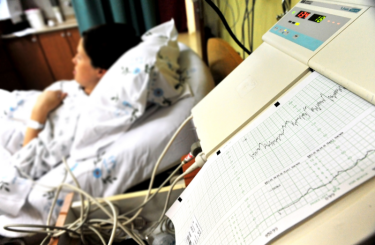
- Inadequate intrapartum monitoring and delayed intervention for a distressed baby. Sepsis can cause non-reassuring (abnormal) fetal heart rate patterns. If staff fail to recognize signs of fetal distress and respond appropriately, they increase the risk of infection and oxygen deprivation.
- Delayed initiation of neonatal resuscitation, evaluation, or antibiotics. If a newborn shows signs of infection or distress, like difficulty breathing, temperature instability, problems with proper blood flow, or lethargy, the labor and delivery team must respond immediately. Prompt evaluation, diagnostic testing, and treatment are critical. Overlooking signs of distress or failing to respond appropriately can allow neonatal sepsis to progress unchecked.
- Infection control lapses in the hospital or NICU. Poor hand hygiene, improper catheter or intravenous line care, contaminated equipment, and other environmental hazards in the nursery or NICU increase the chances of newborns contracting late-onset sepsis.
- Failure to test for or treat maternal infections like HSV or Listeria when indicated. Failing to take a comprehensive medical history, perform appropriate prenatal testing, or treat maternal illnesses are unforced errors. Prenatal care teams should take proper steps to prevent transmission before labor starts, including discussing childbirth plans that minimize risk.
Prenatal care providers, labor and delivery teams, and hospital facilities may share liability for negligence leading to birth injuries. An experienced attorney can help you understand your options and pursue a lawsuit for compensation.
Pursuing a Michigan Medical Malpractice Claim
Medical providers and hospital facilities must provide care that meets a certain standard of quality. They must do what a reasonably skilled care provider would do in the same situation. If they failed to meet this standard, and that failure caused you harm, you may have a malpractice claim.
If you believe a mistake caused your child’s sepsis or brain injury, a malpractice attorney with birth-injury experience can obtain your medical records and consult independent medical experts with experience in obstetrics, neonatology, infectious disease, and other relevant specialties. They will work with these experts to evaluate whether the care you and your child received fell below the accepted standards and caused the harm.
Michigan has specific filing deadlines and procedural rules for medical malpractice claims. Generally, Michigan’s medical malpractice statute of limitations allows injured patients two years from the date of the malpractice to file a lawsuit; however, there’s also a “discovery” rule that can extend this deadline. Parents may be able to pursue claims on behalf of minor children for even longer. Contacting an experienced Michigan malpractice attorney quickly can help you preserve your rights to pursue a claim.
Clinicians must follow established guidelines to lower the risks of preventable infections. If you suspect that negligent care contributed to your child’s injury, contact a lawyer experienced in pursuing Michigan neonatal and birth injury claims. The attorneys at Sommers Schwartz, P.C., will protect your legal rights while you focus on your baby’s care. Contact us today to schedule a free, no-obligation, confidential consultation.

Kenneth T. Watkins is an accomplished trial attorney and Senior Shareholder with Sommers Schwartz. Over the course of his career, he has obtained numerous multimillion-dollar settlements. His achievements include one of the largest seven-digit medical malpractice cases in Macomb County in 2008, and his election to membership in the exclusive Million Dollar Verdict Club.