





Wayne County Faces Lawsuit After Juvenile Detention Center Sexual Abuse Conviction
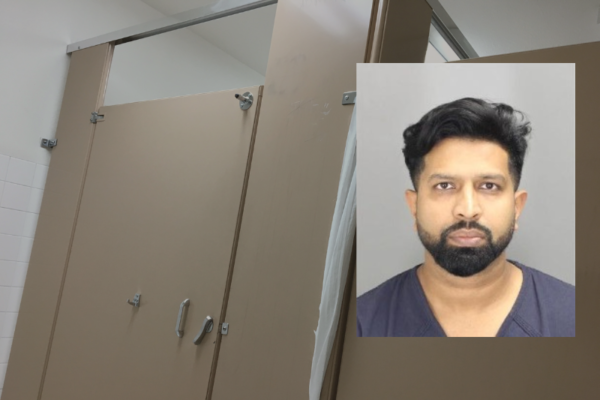
In April 2026, a former juvenile detention specialist at the Wayne County Juvenile Detention Facility, formerly known as the William Dickerson Detention Facility in Hamtramck, was sentenced to serve between 71 months and 15 years in prison. Svetlana Kuryanova was criminally convicted of sexually assaulting two teenage inmates. Now, one of those survivors has filed a civil lawsuit in federal court against Wayne County and the State of Michigan for failing to protect him from Ms. Kuryanova’s abuse.
The plaintiff’s lawsuit names 20 defendants, including individuals who worked for Wayne County oversight authorities, the juvenile detention facility, and the Michigan Department of Health and Human Services. It alleges that systemic failures, chronic staffing shortages, and negligence created the environment that led to the abuse. The complaint also outlines a wide variety of chronically sub-standard conditions, including poor sanitation and hygiene, malnutrition, and inadequate educational provisions.
Michigan’s Juvenile Facilities and Their Responsibilities To Protect Those in Their Care
According to the Michigan Department of Health and Human Services, the Juvenile Justice Program’s policy “establishes zero tolerance for sexual abuse and sexual harassment of residents” in juvenile justice facilities. However, survivors of sexual harassment or abuse know the state’s juvenile programs don’t consistently achieve this standard.
- What juvenile facilities are required to do:
Facilities that house youth must give them multiple ways to report sexual abuse or harassment — whether by speaking up or writing it down. They’re also required to investigate any reports they receive, share those findings with the state of Michigan, and take action to stop abuse and prevent it from happening again.
- Who has to follow these rules:
These rules apply to all juvenile facilities in Michigan — whether the state runs them directly or a private company runs them under a government contract.
- What happens if a facility fails:
If a facility doesn’t take reasonable steps to protect the young people in its care and abuse occurs as a result, survivors may have the right to sue in civil court.
A History of Dangerous Conditions That Allowed Abuse to Happen
This isn’t the first time allegations of abuse have surfaced against the Wayne County Juvenile Detention Facility. After an investigation into multiple attacks, the overcrowded facility relocated from its downtown detention center to a vacant adult jail in October 2022. The move didn’t stop the ongoing issues, and no concrete plan was put forward to protect residents’ safety.
In 2023, the facility suspended seven employees related to the physical and sexual assault of a 12-year-old boy by other residents. A 2024 investigation by the state uncovered multiple safety violations and resulted in the termination of several employees. In late 2024, the facility began moving residents to the new Criminal Justice Center, but reports of inadequate staffing and unsafe conditions persist.
The Wayne County Detention Facility isn’t an outlier. Many juvenile facilities in Michigan fail to meet their legal responsibilities when it comes to resident safety. Other recent allegations of systemic failures include:
- Sexual and physical abuse allegations against Muskegon River Youth Home. In 2025, a former resident at the Muskegon River Youth Home (now the Osceola Youth Center) filed a lawsuit against the facility. His claims include allegations of sexual and physical abuse at the home when he lived there as a fifteen-year-old in 2019.
- State reporting of abuse in privately-operated youth treatment centers. A 2024 Senate Finance Committee report revealed widespread mistreatment in juvenile facilities across the U.S. maintained by four major private companies, noting that “children in these facilities are regularly subjected to physical, sexual, and verbal abuse.” The report included three companies that run facilities in Michigan.
- Widespread allegations of abuse at a Saginaw youth facility. A lawsuit against Wolverine Secure Treatment Center in Saginaw claimed that staff members and fellow residents sexually assaulted numerous residents. A former staff member pleaded guilty in 2023to fourth-degree criminal sexual conduct related to the assault of an underage resident. The facility is now closed.
- State-ordered closure of the Detroit Behavioral Institute in 2022. The closure followed several reports that the institute failed to protect its residents from abuse.
- Payment of an $80 million settlement by the Michigan Department of Corrections. In 2020, the state settled a class-action suit brought on behalf of more than 1,300 young male prisoners. The allegations included widespread sexual abuse occurring between 2010 and 2020.
Public awareness of conditions in Michigan’s juvenile facilities continues to grow. Every person who steps forward helps illuminate the problem.
Determining Who Is at Fault in a Juvenile Facility Sexual Abuse Case
Every abuser is responsible for their behavior and the harm it causes. However, often the individual abuser has no monetary assets, so it is difficult to obtain civil justice from them to compensate the abuse survivor.
In circumstances where the abuse occurred in the setting of an institution, though, survivors may be able to bring a sexual assault or abuse case against other collectable parties who are legally responsible for protecting residents of a juvenile facility. These other parties can include:
- The company or organization responsible for running the facility.
- A third-party employer that supplied staff to do day-to-day work at the facility, if one of their workers committed or enabled the abuse.
- An owner of the property who could have taken reasonable steps to prevent the abuse but failed to do so.
- A government agency or entity, if the harm occurred in a state- or county-run facility.
Every case is unique, and sorting out the available legal remedies for survivors can be challenging. You don’t have to do it alone though. An experienced attorney can help you gather evidence, figure out who is at fault, and fight for the compensation you deserve.
What Compensation Can You Get from a Civil Sexual Abuse Lawsuit?
Sexual abuse in a juvenile facility is a crime, and abusers can face criminal charges. But the criminal justice system has limits — it can punish individual abusers, but it generally can’t hold organizations, counties, or state agencies financially accountable. That’s where a civil lawsuit comes in.
A civil lawsuit can get you money for:
- Current and future medical bills
- Mental health and psychiatric care
- Lost wages
- Pain and suffering
- Emotional and psychological trauma
- Other personal losses tied to the abuse
A civil case allows survivors to go after not just the individual abuser, but also the facilities and agencies that failed to protect them. This is often where real accountability happens.
In some cases, you may also be able to recover punitive damages — money awarded not just to compensate you, but to send a clear message that protecting abusers or failing to protect children will not be tolerated. An attorney can tell you whether this applies to your situation.
Speak to an Experienced Michigan Sexual Abuse Attorney Today
In early 2025, Michigan passed a law that gave child sexual abuse survivors additional time to seek criminal charges against the perpetrator. Other proposed changes to state laws could affect the time a person has to file a civil lawsuit after abuse occurs, including abuse in juvenile facilities. These laws are constantly changing. An attorney can help you understand your options for pursuing justice and compensation. If you suffered abuse in a Michigan juvenile facility, speak to an experienced abuse lawyer today. The team at Sommers Schwartz, P.C., can help you understand your options and work with you to pursue justice. We’ll listen to your story, gather evidence, and fight for the compensation you deserve. To learn more, contact us today to schedule a free, confidential, no-obligation consultation.