




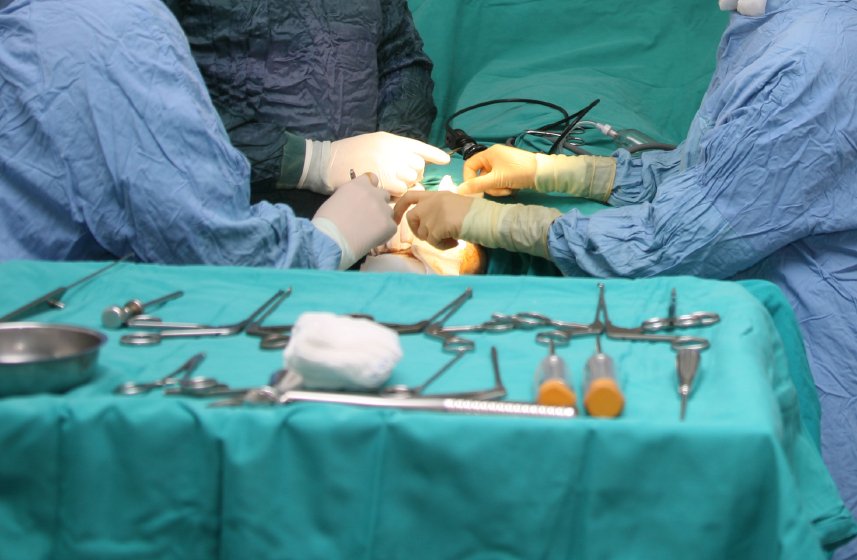


When you seek medical attention in Michigan, you expect to be treated by qualified professionals working in safe, competent environments. However, sometimes hospitals or medical facilities fail to ensure their staff are properly vetted, experienced, and credentialed. This failure can result in “negligent credentialing,” a serious matter that may contribute to devastating medical malpractice events. Understanding negligent credentialing and its connection to Michigan medical malpractice cases can help you protect your rights and seek justice if you or a loved one has suffered due to improper hospital oversight.
Table of Contents
What Is Negligent Credentialing in Michigan?
Negligent credentialing occurs when a hospital or healthcare facility fails to properly vet, monitor, or review the qualifications and backgrounds of its medical staff. Hospitals have a legal duty to ensure that every doctor, nurse, or allied health professional granted privileges meets rigorous standards of education, experience, and overall competence. When this process is overlooked or performed inadequately, unqualified or dangerous practitioners may be permitted to treat patients, increasing the risk of harm.
For example, consider a scenario where a hospital allows a physician with a history of repeated surgical errors, substance abuse, or past malpractice claims to perform complex surgeries without thorough investigation. If that doctor injures a patient, the hospital could be liable for negligent credentialing if it failed to discover or act on red flags.
Negligent credentialing claims are often complex because they focus not only on the actions of the individual provider but also on the hospital’s own policies and oversight. In Michigan, these cases may be pursued alongside medical malpractice claims to hold healthcare organizations accountable for systemic failures. If you believe negligent credentialing played a role in your injury, it is crucial to consult with a Michigan medical malpractice lawyer who understands the nuances of these claims.
How Negligent Credentialing Relates to Michigan Medical Malpractice Cases
In Michigan, medical malpractice cases are among the most challenging types of lawsuits, requiring clear evidence that a healthcare provider or institution’s actions fell below accepted standards of care. While malpractice typically focuses on the direct actions of a doctor or nurse, negligent credentialing addresses a hospital’s responsibility to prevent foreseeable harm by thoroughly vetting its staff.
Let’s say a patient suffers a catastrophic outcome after a routine procedure. Investigation reveals that the surgeon had a suspended license in another state or that the hospital failed to review the surgeon’s background adequately. This is where negligent credentialing comes into play. Michigan courts may allow a claim against the hospital for its systemic failure, on top of any direct malpractice claim against the individual provider.
Negligent credentialing and medical malpractice often go hand-in-hand, especially when patients are harmed by repeat offenders or by practitioners who should not have held privileges in the first place. These cases require in-depth investigation into hospital policies, peer reviews, credentialing files, and even whistleblower testimony. Working with a top-rated medical malpractice lawyer can help victims gather the evidence needed to pursue both types of claims.
Recognizing the Signs of Negligent Credentialing and Hospital Responsibility
Patients rarely have access to the credentialing files or disciplinary records of their health providers. However, certain warning signs may suggest that negligent credentialing played a role in a bad outcome:
- Multiple complaints or lawsuits involving the same provider
- Records of suspensions, revocations, or discipline in other states
- Reports of substance abuse, mental impairment, or criminal convictions
- Lack of board certification or failure to maintain continuing education
- Hospitals hiring providers in a rush or without thorough background checks
Hospitals and healthcare systems in Michigan have a duty to monitor their staff continuously, not just at the time of initial hiring. If an employer ignores repeated warning signs or fails to suspend privileges after known misconduct, they may be liable for damages if patients are harmed.
Unfortunately, hospitals sometimes cover up or downplay red flags, especially if it means avoiding negative publicity or financial losses. That is why victims and their families must consult a dedicated medical malpractice attorney who can subpoena records, interview hospital staff, and hold institutions accountable for their failures to protect patient safety.
Proving Negligent Credentialing in a Michigan Medical Malpractice Lawsuit
Successfully bringing a negligent credentialing case in Michigan involves meeting several legal requirements. Plaintiffs must prove:
- The hospital granted or continued privileges to a healthcare provider it knew, or should have known, was unfit or incompetent.
- The hospital failed to exercise reasonable care in investigating, supervising, or reviewing the credentials and conduct of the provider.
- The provider’s lack of fitness or competence directly caused the patient’s injury.
Evidence may include credentialing documents, peer review files, disciplinary records, or testimony from expert witnesses. For instance, if a medical malpractice claim reveals that a hospital permitted a surgeon with repeated misconduct to keep operating, those hospital files become powerful proof.
Michigan law also requires that a plaintiff file a Notice of Intent and, in most cases, provide an affidavit from a medical expert supporting the claim. Because these cases often involve both individual and institutional negligence, victims need a medical malpractice lawyer with experience in complex litigation and access to resources that can uncover hidden details.
Why Victims Need a Michigan Medical Malpractice Lawyer for Negligent Credentialing Cases
Negligent credentialing claims can be emotionally and legally overwhelming for patients and families. Hospitals vigorously defend against these allegations, employing legal teams to protect their reputation and minimize financial exposure. As a result, individuals attempting to go it alone rarely succeed in holding institutions accountable.
A skilled medical malpractice attorney can make all the difference by:
- Conducting in-depth investigations into hospital records and hiring processes
- Consulting with recognized medical experts to establish the standard of care
- Navigating strict Michigan procedural rules for malpractice and institutional liability claims
- Fighting for maximum compensation for medical bills, lost wages, pain and suffering, and future care needs
Victims of negligent credentialing may face lifelong disability, loss of income, or even wrongful death of a loved one. Compensation secured in these lawsuits not only supports recovery but also pressures hospitals to implement safer, more rigorous credentialing processes for future patients.
If you suspect negligent credentialing or institutional failures led to your injuries, contact a Michigan medical malpractice lawyer at Sommers Schwartz to discuss your legal options. Our team is committed to uncovering the truth and advocating for the safety and well-being of patients across Michigan.
Frequently Asked Questions About Negligent Credentialing and Michigan Medical Malpractice Cases
What is the difference between negligent credentialing and medical malpractice?
Negligent credentialing targets the hospital’s failure to properly vet or monitor its healthcare staff, while medical malpractice focuses on the negligence of an individual healthcare provider. Both claims can be pursued together when hospital oversight leads to patient harm.
Can I sue a hospital if a doctor with a bad record injured me?
Yes, if the hospital knew or should have known about the doctor’s incompetence or misconduct but allowed that doctor to continue treating patients, you may have grounds for a negligent credentialing claim along with a medical malpractice case.
What kind of compensation is available in negligent credentialing cases?
Compensation may include medical expenses, lost wages, pain and suffering, loss of earning capacity, and, in some cases, punitive damages. The specific amount depends on the severity of harm and the facts of the case.
How much time do I have to file a negligent credentialing lawsuit in Michigan?
Typically, you have two years from the date of the wrongdoing or six months from when you discover the negligence, but never more than six years from the incident. It’s important to speak with a medical malpractice attorney as soon as possible to preserve your rights.
Other Resources About Hospital/Facility-Related Malpractice
- Failure to Monitor and Michigan Medical Malpractice Claims
- Improper Discharge in Medical Malpractice Claims in Michigan
- Negligent Credentialing and Michigan Medical Malpractice Cases
- Failure to Prevent Infections and Michigan Medical Malpractice Claims
- Inadequate Staffing or Supervision and Michigan Medical Malpractice
We fight hard. And we win.
News & Case Alerts
Read related articles and learn about recently filed cases.
Our attorneys have been featured on local and national media outlets, including:

Heartfelt Thanks to Judy Susskind
Judy, I wanted to inform you that my mother passed away last night after losing a painful battle. She wanted me to specifically contact you and thank you for what you did for her. You took a chance and stood by her when no one else would, and you helped…
Praise for Nathan Robbins
One phone call made a world of difference! Thanks, Nate, for addressing and acknowledging my concerns! Great professionalism.
Praise for Judith Susskind
Ms. Susskind, your honesty, professionalism, and compassion meant a lot to me. I’m especially grateful for how thoroughly you reviewed my records and for the time you spent listening to my story. It’s been incredibly painful to reopen these wounds over and over and live them daily. Your kindness helped…
We Care About Our Clients
Everyone I have spoken with at Sommers Schwartz during my claim has showed me immeasurable amounts of kindness, respect, and care. I truly can’t say enough positive things about them. The way they’ve cared about me makes a big difference! Thank you!
About Paulina Kennedy
Paulina Kennedy is amazing!! She went above and beyond to work on my case and kept me posted and updated every step of the way. I cannot thank her enough for her work and professionalism.
From a Happy Client
I can’t thank this team enough. From start to finish, they were compassionate, knowledgeable, and truly dedicated to getting the best possible outcome for me. It made such a difference knowing I had a team that genuinely cared.
Praise for Lenore Zakhem
Lenore Zakhem worked on my liability case efficiently and effectively! I would recommend and Sommers Schwartz for any legal matters in the future!!
A Referring Attorney Praises Matt Turner
I have years of experience with the attorneys and staff at Sommers Schwartz. Over that time, I have referred a number of people to attorneys there. These referrals include friends and family, who I would trust to only Sommers Schwartz. Whenever I refer someone to attorney Matt Turner and his…
Our Clients Say It Best