




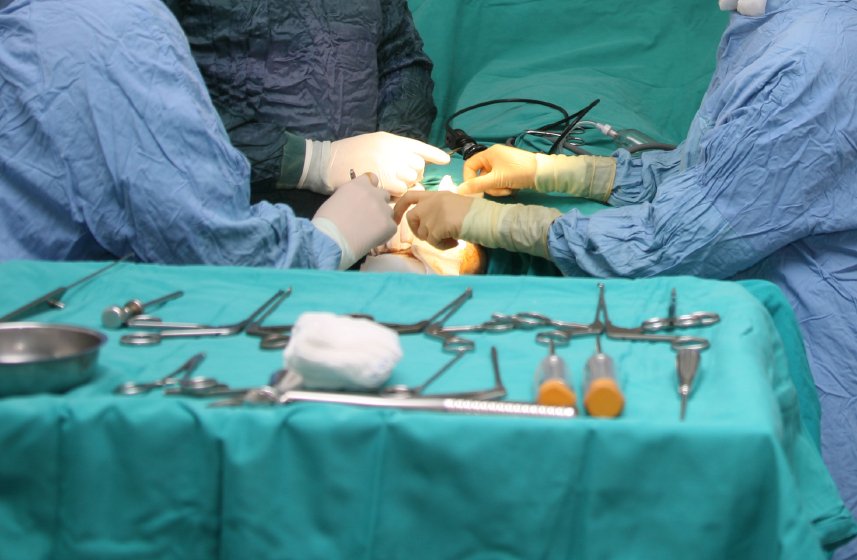


When you or a loved one undergoes surgery, you expect to leave the hospital on the road to recovery—not facing new and potentially life-threatening complications. Unfortunately, post-surgical infections remain a serious concern in Michigan hospitals and healthcare facilities. These infections can result in extended hospital stays, additional surgeries, permanent injuries, and even wrongful death. If you believe poor medical care contributed to a post-surgical infection, understanding your rights and the basics of medical malpractice is essential.
Table of Contents
Understanding Post-Surgical Infections in Michigan
Surgical procedures, regardless of type or complexity, inherently carry some infection risk. However, Michigan patients expect their healthcare teams to take all necessary precautions to prevent these complications. Post-surgical infections, also known as surgical site infections (SSIs), occur when bacteria enter the body through incisions or wounds following surgery. They can range from mild superficial infections to deep organ or bloodstream infections that threaten a patient’s life.
Common signs of post-surgical infections include persistent pain, redness or swelling at the incision site, fever, foul-smelling discharge, and delayed healing. In severe cases, infections can spread quickly throughout the body, leading to sepsis, organ failure, or death. Many of these infections are preventable when hospitals and surgical teams follow proper sterilization protocols, monitor patients closely, and respond rapidly at the first signs of trouble.
What Causes Post-Surgical Infections?
Post-surgical infections are sometimes unavoidable, but many occur due to preventable mistakes or substandard medical care. In Michigan, common causes of post-surgical infections include:
- Failure to properly sterilize surgical instruments or the operating room
- Inadequate handwashing or hygiene among medical staff
- Premature removal of dressings or improper wound care
- Neglecting to identify and address risk factors such as diabetes or immune compromise
- Delayed recognition or treatment of early infection symptoms
For example, if a patient reports increased pain, fever, or abnormal discharge after surgery, medical professionals must act quickly. Delays in diagnosing and treating infections can lead to much worse outcomes, such as the need for emergency surgeries, amputations, or lifelong disabilities. If these delays or mistakes occur because a healthcare provider did not meet the accepted standard of care, they may be held accountable through a Michigan medical malpractice claim.
When Is a Post-Surgical Infection Considered Medical Malpractice?
Not every post-surgical infection is the result of medical negligence, but many are. The key legal question is whether a healthcare provider’s actions or inactions fell below the standard of care that a competent professional would provide under similar circumstances. In Michigan, to pursue a medical malpractice attorney claim, you must demonstrate:
- A doctor-patient relationship existed.
- The provider acted negligently or deviated from the standard of care.
- This negligence directly caused the post-surgical infection or made it worse.
- The infection led to significant damages, such as additional medical bills, lost income, pain, or lasting disability.
For instance, a hospital that fails to adequately monitor a patient’s vital signs and wound status after surgery may miss early warning signs of infection. If the infection worsens due to this delay and leads to amputation or sepsis, the hospital and its staff could be liable for damages. Consulting with a top-rated medical malpractice lawyer is the best way to determine if your case meets Michigan’s legal standards.
Real-Life Examples of Post-Surgical Infection Malpractice in Michigan
Numerous Michigan lawsuits highlight the devastating impact of post-surgical infections linked to negligent care. Patients have suffered severe, preventable injuries due to missed diagnoses, improper wound care, or failure to follow up on signs of infection.
- In one case, a patient suffered a serious infection after knee replacement surgery because standard sterilization and injection protocols were not followed. The infection eventually required multiple surgeries and resulted in permanent disability.
- Another lawsuit involved the failure to monitor a spinal fusion patient for MRSA. When the infection returned after antibiotics were stopped, the lack of follow-up and lab work allowed the infection to spread to the brain, heart, and lungs, causing catastrophic injuries.
- There are also cases where hospital staff failed to recognize or treat signs of infection in time, resulting in sepsis, organ failure, or wrongful death.
These examples underscore the importance of vigilance, communication, and adherence to established infection control practices—and the significant harm that can occur when those standards are not met.
What Should You Do if You Suspect Medical Malpractice After a Post-Surgical Infection?
If you believe you or a loved one developed a post-surgical infection due to a healthcare provider’s negligence, there are critical steps you should take:
- Seek immediate medical evaluation and follow all medical recommendations to treat the infection.
- Gather and retain all medical records, prescriptions, discharge instructions, and communications with healthcare providers.
- Document your symptoms, treatments, and the impact of the infection on your daily life, work, and family.
- Contact a Michigan medical malpractice lawyer as soon as possible. Michigan law generally requires you to file a claim within two years of the negligent act or within six months of discovering the malpractice, and the process begins with a “Notice of Intent” letter.
A knowledgeable attorney can review your records, consult with medical experts, and help determine whether you have a valid legal claim. Compensation may be available for medical bills, lost wages, pain and suffering, disability, ongoing care, and, in tragic cases, the loss of a loved one.
The Impact of Post-Surgical Infection Malpractice on Patients and Families
The consequences of post-surgical infection malpractice reach far beyond the physical symptoms. Many Michigan patients face extended hospitalizations, additional surgeries, long-term disabilities, and permanent changes in their ability to work or care for themselves. The emotional toll—including anxiety, depression, and loss of independence—can be just as significant.
Families may find themselves struggling with increased caregiving responsibilities, financial strain, and the grief of seeing a loved one suffer or lose their life. That is why Michigan law allows victims and their families to seek compensation for all forms of harm, both economic and non-economic, through a medical malpractice lawyer lawsuit.
Pursuing legal action is not just about obtaining compensation—it’s also about holding healthcare providers accountable and promoting better, safer care for all Michigan patients. If you have questions or need support, reach out to a top-rated medical malpractice lawyer today.
Frequently Asked Questions About Post-Surgical Infections and Medical Malpractice in Michigan
How long do I have to file a medical malpractice claim in Michigan after a post-surgical infection?
In Michigan, you generally have two years from the date of the negligent act or omission to file a medical malpractice claim. If the malpractice is not discovered right away, you may have six months from the date you learned about it—but no more than six years from the incident. It’s crucial to consult a medical malpractice attorney as soon as possible to protect your rights.
What damages can I recover in a post-surgical infection malpractice case?
You may be entitled to compensation for medical expenses, future care costs, lost wages or earning capacity, pain and suffering, disability or disfigurement, and emotional distress. In wrongful death cases, families can also seek damages for loss of companionship and funeral expenses.
Will I need medical experts to prove my case?
Yes, Michigan law requires that most medical malpractice claims—including those involving post-surgical infections—be supported by expert testimony from a qualified medical professional who can explain how the standard of care was breached and how that breach caused your harm.
Can I file a claim if my loved one died from a post-surgical infection?
Yes, if a post-surgical infection caused by negligence led to a loved one’s death, their estate may file a wrongful death lawsuit against the responsible healthcare providers or facilities.
Other Surgical Errors Resources
- Poor Postoperative Care Medical Malpractice in Michigan
- Post-Surgical Infections and Medical Malpractice in Michigan
- Anesthesia Errors Michigan Medical Malpractice
- Organ Perforation or Damage Medical Malpractice in Michigan
- Instruments Left in Body in Michigan Medical Malpractice Cases
- Wrong Patient Surgery Medical Malpractice in Michigan
- Wrong procedure Medical Malpractice in Michigan
- Wrong-site surgery Medical Malpractice in Michigan
We fight hard. And we win.
News & Case Alerts
Read related articles and learn about recently filed cases.
Our attorneys have been featured on local and national media outlets, including:

Heartfelt Thanks to Judy Susskind
Judy, I wanted to inform you that my mother passed away last night after losing a painful battle. She wanted me to specifically contact you and thank you for what you did for her. You took a chance and stood by her when no one else would, and you helped…
Praise for Nathan Robbins
One phone call made a world of difference! Thanks, Nate, for addressing and acknowledging my concerns! Great professionalism.
Praise for Judith Susskind
Ms. Susskind, your honesty, professionalism, and compassion meant a lot to me. I’m especially grateful for how thoroughly you reviewed my records and for the time you spent listening to my story. It’s been incredibly painful to reopen these wounds over and over and live them daily. Your kindness helped…
We Care About Our Clients
Everyone I have spoken with at Sommers Schwartz during my claim has showed me immeasurable amounts of kindness, respect, and care. I truly can’t say enough positive things about them. The way they’ve cared about me makes a big difference! Thank you!
About Paulina Kennedy
Paulina Kennedy is amazing!! She went above and beyond to work on my case and kept me posted and updated every step of the way. I cannot thank her enough for her work and professionalism.
From a Happy Client
I can’t thank this team enough. From start to finish, they were compassionate, knowledgeable, and truly dedicated to getting the best possible outcome for me. It made such a difference knowing I had a team that genuinely cared.
Praise for Lenore Zakhem
Lenore Zakhem worked on my liability case efficiently and effectively! I would recommend and Sommers Schwartz for any legal matters in the future!!
A Referring Attorney Praises Matt Turner
I have years of experience with the attorneys and staff at Sommers Schwartz. Over that time, I have referred a number of people to attorneys there. These referrals include friends and family, who I would trust to only Sommers Schwartz. Whenever I refer someone to attorney Matt Turner and his…
Our Clients Say It Best